Freight transportation and logistics form the backbone of global trade, ensuring goods are delivered efficiently and on time. In an increasingly interconnected world, businesses rely on these services to keep supply chains running smoothly and meet the demands of consumers and industries alike. Here’s an in-depth look at this crucial sector.
Understanding Freight Transportation
Freight transportation involves the movement of goods by land, sea, or air. This can range from raw materials shipped to factories to finished products delivered to retailers. The key modes of freight transport include:
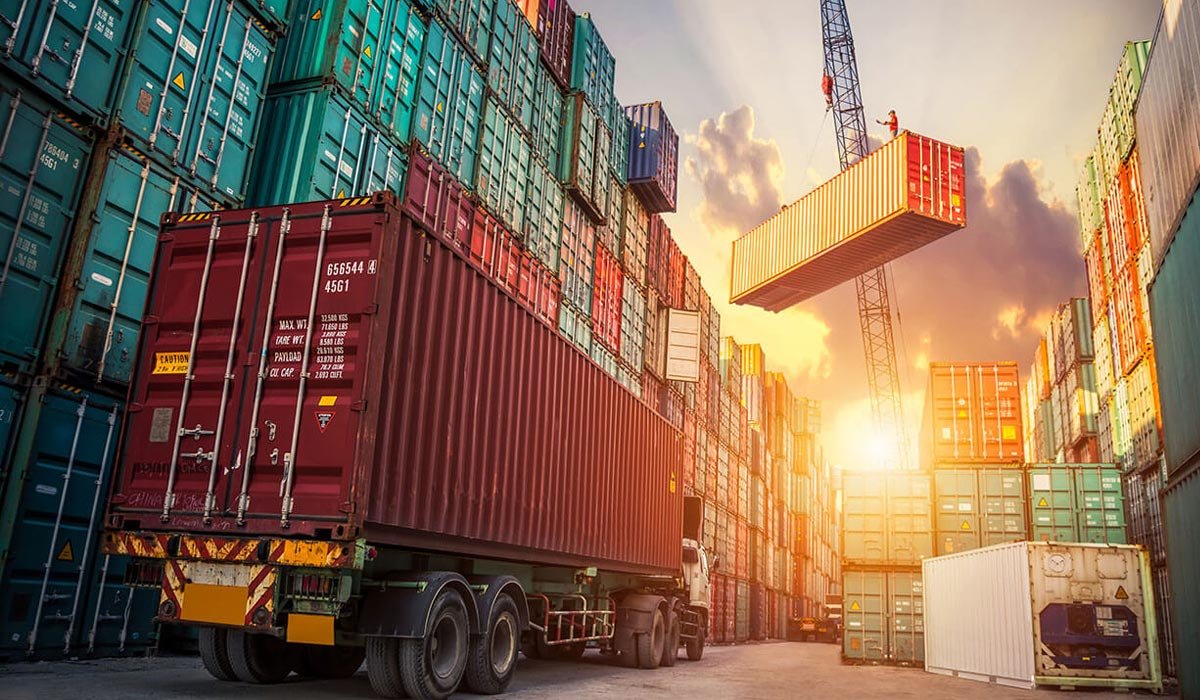
- Road Freight: Ideal for short to medium distances, offering flexibility and accessibility.
- Rail Freight: Cost-effective and eco-friendly for bulk goods over long distances.
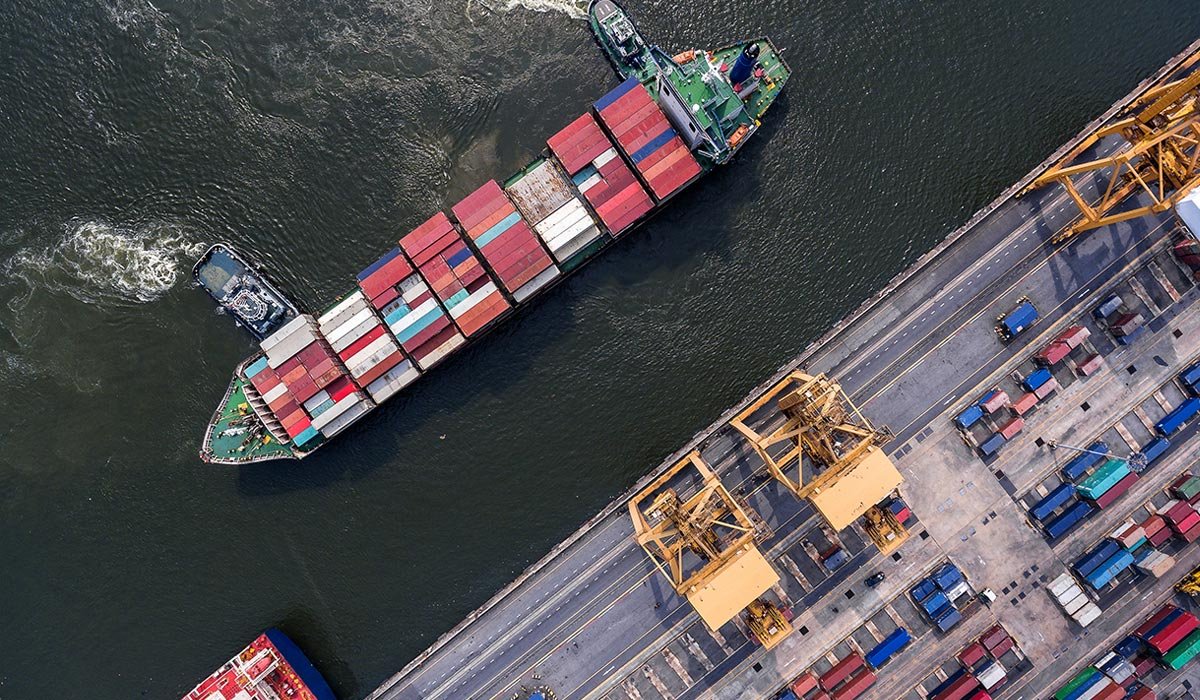
- Ocean Freight: The backbone of international trade, perfect for large-volume shipments.
- Air Freight: Fastest but costliest, used for urgent and high-value cargo.
What is Logistics?
Logistics encompasses the planning, implementation, and management of goods’ movement and storage from the point of origin to the final destination. It involves:
- Inventory management
- Warehousing
- Packaging
- Transportation
- Delivery tracking
Importance of Freight Transportation & Logistics
- Economic Growth: Facilitates trade, boosts industries, and creates employment.
- Supply Chain Optimization: Reduces costs and improves efficiency for businesses.
- Global Connectivity: Enables seamless international trade, bridging markets worldwide.
Challenges in Freight and Logistics
Despite its importance, the sector faces several challenges:
- Rising fuel costs and fluctuating market rates.
- Complex international regulations and tariffs.
- Environmental concerns requiring sustainable solutions.
- Technology adoption for digital transformation.
Emerging Trends in the Industry
- Digitalization: AI and IoT for real-time tracking and predictive analysis.
- Sustainability: Shift towards green logistics with electric trucks and reduced carbon footprints.
- Automation: Use of robotics in warehousing and autonomous vehicles for delivery.
- Blockchain: Enhanced transparency and security in freight documentation.
Conclusion
Freight transportation and logistics are essential pillars supporting modern commerce. As the industry evolves, adopting technology and sustainable practices will be crucial for meeting future demands. Businesses that invest in efficient logistics systems will not only save costs but also enhance customer satisfaction and competitiveness in the global market.
Efficient freight solutions drive economies—embrace them to stay ahead in the game!